Why Personalized Aesthetic Treatments Matter?

The aesthetic industry has evolved significantly over the years, moving away from one-size-fits-all procedures toward highly personalized treatment plans. According to Market Research Future, the U.S. aesthetics market was estimated at USD 521.25 million in 2024, highlighting the increasing adoption of advanced and customized aesthetic procedures. Today, patients seek natural-looking results that enhance their unique features rather than conforming to a standard beauty ideal. This shift has made personalized aesthetic treatments more important than ever.
Every individual has different facial structures, skin conditions, aging patterns, and aesthetic goals. What works exceptionally well for one person may not be suitable for another. Personalized aesthetic treatments ensure that every procedure is carefully tailored to the patient’s anatomy, concerns, and expectations, leading to safer procedures, better outcomes, and greater patient satisfaction.
The Importance of a Thorough Consultation
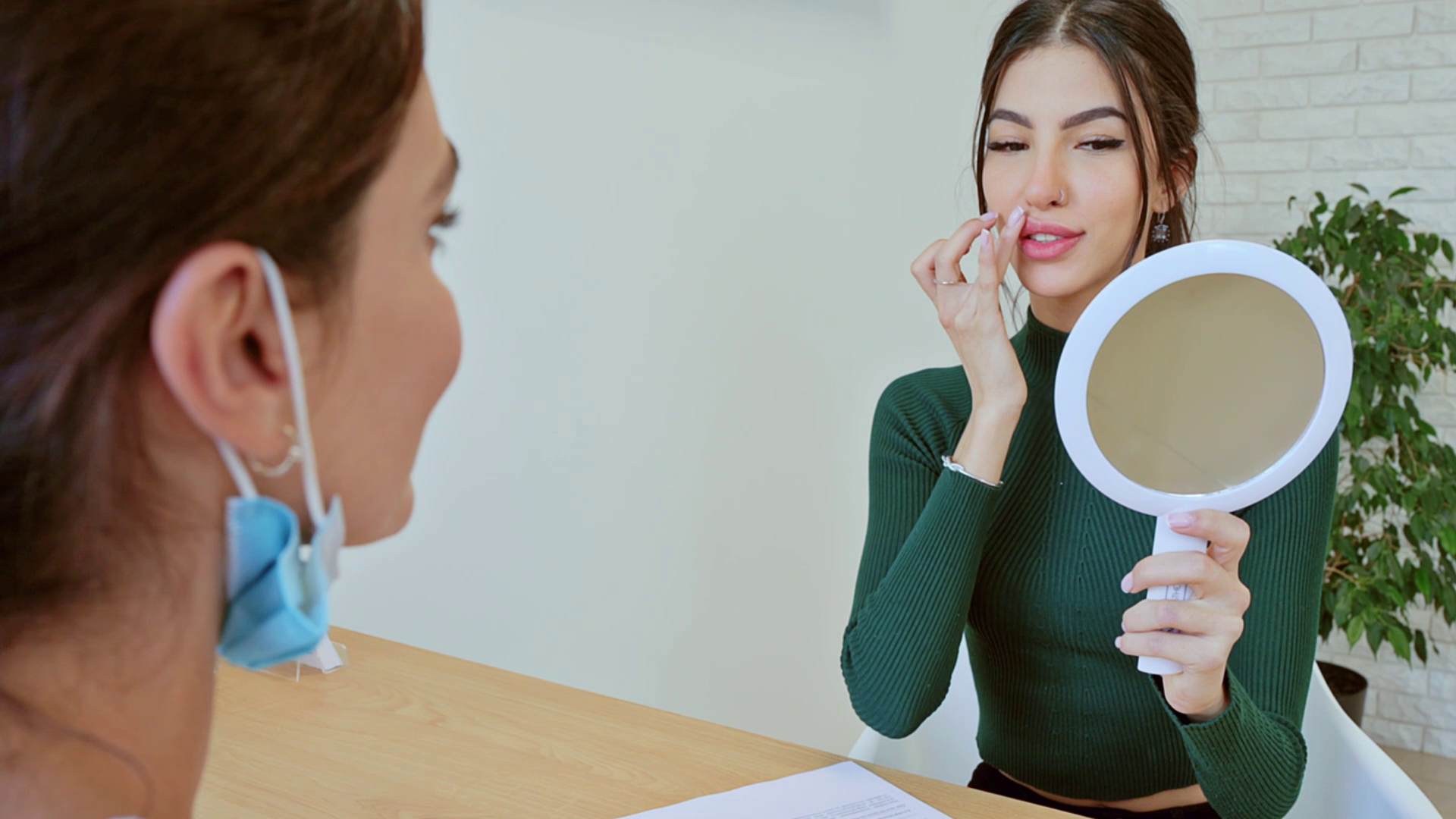
A successful aesthetic journey begins with a comprehensive consultation. This initial meeting serves as the foundation for creating a customized treatment plan that addresses the patient's specific needs. During the consultation, aesthetic professionals evaluate the patient's medical history, current health status, skin condition, and aesthetic concerns. They also discuss lifestyle factors, previous treatments, and any expectations regarding results. This detailed assessment helps practitioners determine which treatments are appropriate and identify any potential risks or contraindications.
Consultations also provide an opportunity for patients to ask questions and gain a clear understanding of available treatment options. Open communication ensures that both the patient and provider are aligned regarding desired outcomes, recovery expectations, and treatment timelines. Without a proper consultation, there is a greater risk of misunderstanding goals, selecting unsuitable procedures, or achieving results that do not meet patient expectations. Personalized consultations create a strong foundation for safe and effective aesthetic care.
Understanding Individual Anatomy
One of the primary reasons personalized aesthetic treatments matter is that every person's anatomy is unique. Facial proportions, bone structure, muscle activity, skin thickness, and fat distribution vary significantly from one individual to another. For example, two patients seeking wrinkle reduction may require entirely different approaches based on their facial muscle movement and skin quality. Similarly, patients interested in facial contouring may need different treatment combinations depending on their natural facial structure.
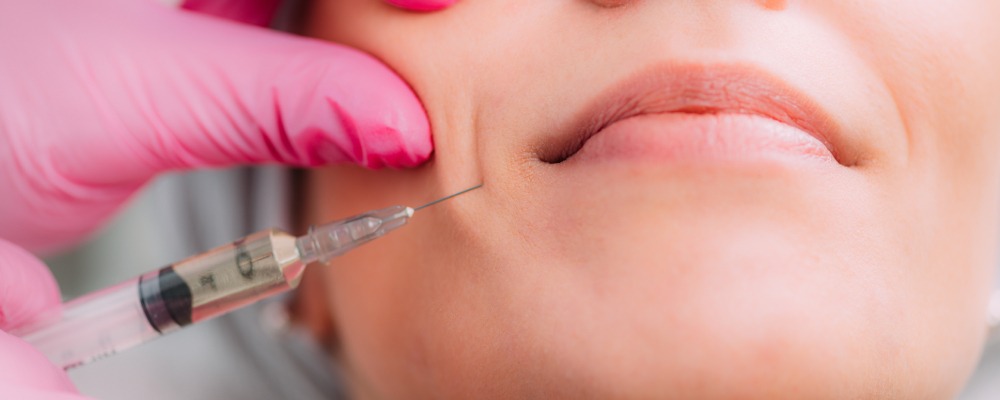
Experienced aesthetic providers carefully analyze facial anatomy before recommending treatments. They consider factors such as symmetry, volume loss, skin elasticity, and overall facial balance. This detailed evaluation allows them to create treatment plans that enhance natural features rather than altering them unnaturally. Understanding anatomy is especially important when performing injectable treatments, laser procedures, and skin rejuvenation therapies. A personalized approach helps achieve balanced, harmonious results while minimizing complications.
Aligning Treatments with Personal Goals
Every patient enters an aesthetic practice with unique goals. Some may want to reduce signs of aging, while others may wish to improve skin texture, enhance facial contours, or address specific concerns such as acne scars or pigmentation. A personalized treatment plan focuses on understanding these individual goals rather than applying the same solution to every patient. Providers take the time to explore what patients hope to achieve and develop realistic strategies to help them reach those objectives.
For example, one patient may desire subtle enhancements that preserve their natural appearance, while another may seek more noticeable changes. Personalized planning ensures that treatments are designed to match the patient's preferences, lifestyle, and comfort level. Setting realistic expectations is another critical component of goal-oriented treatment planning. Patients who understand what can realistically be achieved are more likely to be satisfied with their results and maintain long-term confidence in their provider. A study involving 28 participants found that treatment responses varied considerably among different groups, with outcomes influenced by factors such as stress levels, hormonal changes, and physical activity. The findings emphasized that personalized treatment adjustments are essential for optimizing results and meeting individual patient needs.
Prioritizing Patient Safety
Safety should always be the highest priority in aesthetic medicine. Personalized treatments play a crucial role in minimizing risks and ensuring optimal outcomes. Every patient presents unique health considerations, including allergies, medical conditions, medications, and previous procedures. A customized approach allows practitioners to identify these factors and adjust treatment recommendations accordingly.
For instance, certain laser treatments may not be suitable for all skin types, and specific injectable procedures may require modifications based on facial anatomy or medical history. By tailoring treatments to each individual, providers can reduce the likelihood of adverse reactions, complications, and unsatisfactory outcomes. Safety also involves selecting the appropriate treatment intensity, product type, and treatment frequency. Personalized protocols help ensure that procedures are performed within safe parameters while maximizing effectiveness.
The Value of Customized Treatment Planning
Customized treatment planning is the cornerstone of modern aesthetic care. Rather than focusing on a single procedure, providers often develop comprehensive plans that address multiple concerns over time. A personalized treatment plan may combine various modalities such as injectables, laser treatments, skin resurfacing, medical-grade skincare, and collagen-stimulating procedures. This strategic approach allows practitioners to target different aspects of aging and skin health while maintaining natural-looking results.
Treatment planning also considers the patient's schedule, budget, recovery preferences, and long-term goals. Some patients may prefer gradual improvements through a series of treatments, while others may seek more immediate results. Customization ensures that the treatment journey aligns with the patient's lifestyle and expectations.
Conclusion
Personalized aesthetic care ensures treatments are thoughtfully designed around each patient’s unique features, goals, and safety needs, leading to more balanced and natural outcomes. At CynSational Aesthetics, Cynthia emphasizes a patient-focused approach, carefully evaluating concerns and creating treatment plans that reflect individual needs rather than standardized protocols. Her attention to detail helps patients achieve refreshed, natural results while feeling supported throughout their aesthetic journey.


 Cynthia Sanchez, RN-BSN