Chemical Peels for Brighter, Smoother Skin
Healthy, glowing skin is something many people strive for, but factors like acne, sun damage, aging, and uneven texture can make achieving a flawless complexion challenging. As interest in non-invasive skin rejuvenation continues to rise, chemical peels have become one of the most sought-after skincare treatments, with the global chemical peel industry projected to grow from USD 3.31 billion in 2025 to USD 5.558 billion by 2035.
This advanced cosmetic procedure helps exfoliate damaged skin layers, revealing fresher, brighter, and smoother skin underneath. Whether you are struggling with acne scars, pigmentation, fine lines, or rough skin, chemical peels can offer visible improvements with minimal downtime.
What Are Chemical Peels?
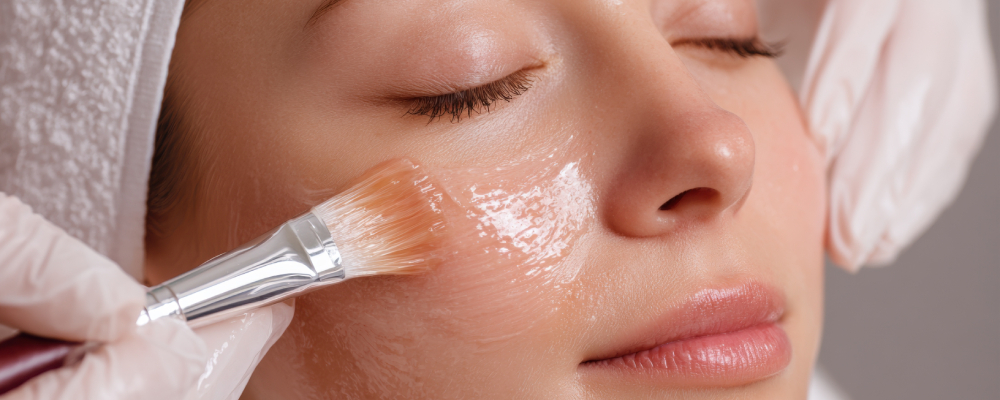
Chemical peels are skin-resurfacing treatments that use specially formulated acids to remove dead skin cells and stimulate skin renewal. During the procedure, a chemical solution is applied to the skin, causing the outer layers to exfoliate and eventually peel off. As the skin heals, new skin cells emerge, resulting in a more youthful and radiant appearance.
Chemical peels are available in different strengths, including superficial, medium, and deep peels. The type of peel recommended depends on your skin concerns, skin type, and desired results. Common ingredients used in chemical peels include glycolic acid, salicylic acid, lactic acid, and trichloroacetic acid (TCA).
What to Expect During a Chemical Peel Treatment?
A chemical peel treatment usually begins with a professional skin assessment to determine the right peel for your specific skin concerns. During the procedure, the skin is thoroughly cleansed before the chemical solution is applied. Patients may experience mild tingling or a warming sensation, depending on the strength of the peel being used.
After the treatment, slight redness, dryness, or peeling may occur for a few days as the skin renews itself. Proper aftercare, including gentle skincare and daily sunscreen use, is important to protect the fresh skin and maintain results. While some people notice improvements after one session, multiple treatments may be recommended for the best outcome.
Benefits of Chemical Peels
For Acne and Acne Scars
Acne is one of the most common skin concerns affecting people of all ages. Chemical peels help treat acne by deeply exfoliating the skin, unclogging pores, and reducing excess oil buildup, which can minimize active breakouts and help prevent future flare-ups. Salicylic acid peels are especially effective for acne-prone skin because they penetrate deeply into the pores to remove oil, debris, and bacteria while also reducing inflammation and redness.
Research further supports the effectiveness of chemical peels for mild-to-moderate acne, with clinical studies showing significant improvements in both inflammatory and non-inflammatory acne lesions. Some peel combinations demonstrated up to 85.3% improvement in total acne scores, while salicylic acid peels showed notable reductions in clogged pores and comedones.
In addition to treating active acne, chemical peels can also improve the appearance of post-acne scars and rough texture. Repeated treatments stimulate collagen production and skin regeneration, gradually softening acne marks and uneven skin surface.
For Skin Texture and Tone
Uneven skin texture can make the skin appear dull and rough. Dead skin buildup, environmental damage, and aging are common causes of textured skin. Chemical peel treatments gently exfoliate the outer layer of damaged skin, helping smooth rough patches and refine the skin’s surface.
Clinical research supports the use of superficial chemical peels, particularly those formulated with alpha-hydroxy acids (AHAs) such as glycolic and lactic acid, which are widely recommended for darker skin tones due to their lower risk of post-inflammatory hyperpigmentation (PIH) and scarring.
With a series of treatments, many people notice softer, more even skin with improved clarity. Fine bumps, enlarged pores, and mild scarring become less visible, creating a smoother complexion overall. Regular chemical peels can also enhance the absorption of skincare products, allowing serums and moisturizers to penetrate more effectively. For individuals looking to achieve radiant skin, chemical peels are an excellent option because they instantly refresh tired-looking skin and promote a healthy glow.
For Hyperpigmentation and Sun Damage
Hyperpigmentation, dark spots, and uneven skin tone are often caused by sun exposure, acne scars, hormonal changes, or aging. Chemical peels for pigmentation target these discolorations by removing damaged skin cells and encouraging the growth of new, evenly pigmented skin.
Glycolic acid and lactic acid peels are commonly used to brighten the skin and fade stubborn dark spots. A study found that combining glycolic acid peels with a topical triple cream significantly reduced melasma pigmentation, achieving over 90% improvement by 12 weeks.
Over time, chemical peels can significantly improve further conditions such as post-inflammatory hyperpigmentation, and sunspots, helping restore a more even and radiant complexion. Moreover, sun damage often causes the skin to appear dull and uneven. Chemical peels help reverse some of these visible signs by stimulating skin renewal and improving overall skin tone. With proper skincare and sun protection, the results can be long-lasting and highly noticeable.
For Aging Skin
As the skin ages, collagen production naturally decreases, leading to wrinkles, fine lines, and sagging skin. Chemical peels for aging skin can help restore a youthful appearance by stimulating collagen and elastin production.
Medium-depth peels are especially beneficial for reducing fine lines around the eyes and mouth while improving overall skin firmness. By removing damaged outer layers, chemical peels reveal supple and younger-looking skin underneath. One of the key advantages of anti-aging chemical peels is their ability to improve skin texture without the need for invasive procedures. The treatment can soften wrinkles, reduce age spots, and create a brighter complexion, making the skin appear healthier and rejuvenated. In one study, three treatment sessions using a peel containing 6% trichloroacetic acid (TCA) and 12% lactic acid resulted in noticeable improvements in skin aging concerns.
Final Thoughts
Chemical peels are a proven way for targeting concerns such as acne, pigmentation, rough texture, melasma, and early signs of aging. For those ready to refresh dull, tired skin and improve overall complexion, CynSational Aesthetics offers professional chemical peel treatments that help reveal smoother, brighter, and healthier-looking skin. Our advanced aesthetic services are designed to support long-term skin rejuvenation and confidence. Contact us today to reserve your appointment and start your transformation journey!